Tips for Creating a Cozy and Productive Home Office Space
Creating a home office that is both cozy and productive can make a big difference in your daily work routine. Whether you’re working remotely full-time or need a dedicated space for occasional projects, setting up the right environment helps boost focus and comfort. Here are some practical tips for designing a home office that encourages productivity while feeling inviting and warm.
Choose the Right Location
Your home office location affects both comfort and efficiency. Ideally, pick a quiet spot with minimal distractions. If possible, select a space with natural light, such as near a window. Natural light helps improve mood and reduces eye strain. If natural light is limited, ensure you have good artificial lighting that isn’t harsh or glaring.
Focus on Ergonomics
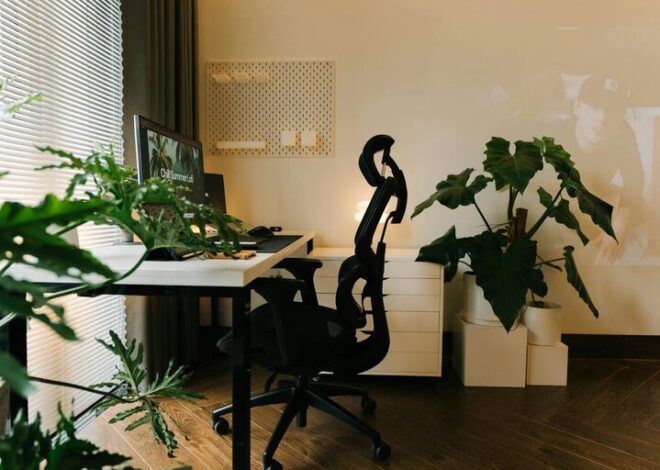
Comfort is key to staying productive for long periods. Invest in a supportive chair with adjustable height and back support. Your desk should be at a height where your arms can rest comfortably while typing or writing. Use a monitor stand or laptop riser so your screen is at eye level, helping prevent neck and shoulder strain.
A small footrest can also improve posture and circulation. Don’t forget to arrange your keyboard and mouse so they are easy to reach without stretching.
Create a Calming Color Palette
Colors impact how we feel and focus. Soft, neutral tones like light gray, beige, or pale blue promote calmness and reduce visual distractions. You can add pops of color through artwork or accessories to keep the vibe lively but not overwhelming. Avoid overly bright or intense colors, which may cause stress or fatigue.
Personalize Your Space
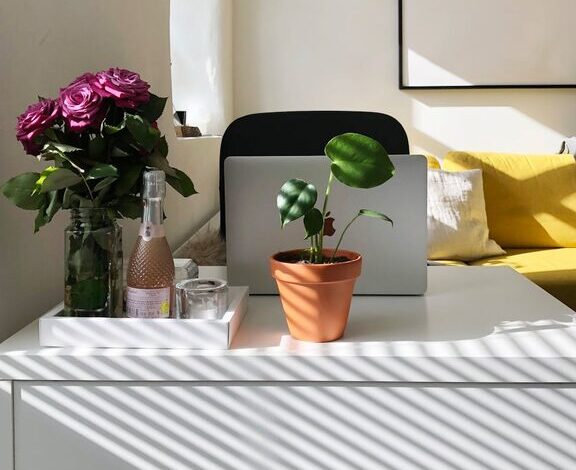
Adding personal touches makes your office more welcoming. Display photos, plants, or meaningful objects that inspire you. Plants are particularly beneficial—they improve air quality and add a natural, soothing element to the room. Choose low-maintenance varieties like succulents or spider plants if you don’t want to fuss with frequent watering.
However, avoid clutter. Keep personal items limited and organized so the space doesn’t feel chaotic.
Organize Efficiently
A tidy workspace helps clear your mind and increase focus. Use shelves, drawers, and desk organizers to keep supplies within reach but out of sight. Label boxes or folders for quick access to documents and reduce time spent searching.
Consider cable management solutions such as clips or sleeves to keep cords neat. Digital organization is also important—use cloud storage or apps to keep files and notes well organized.
Balance Technology and Simplicity
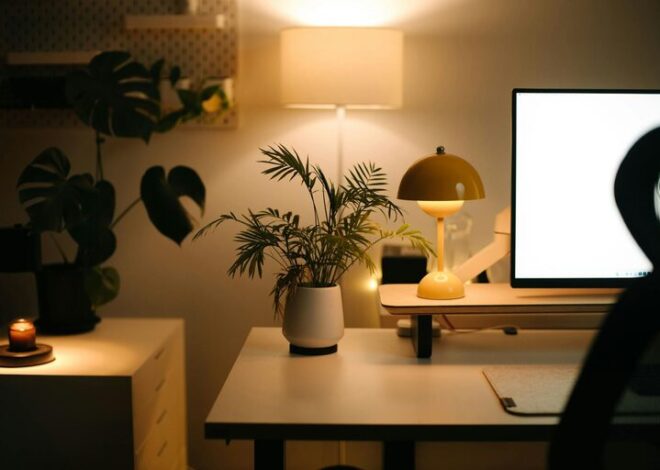
Your home office likely needs technology for video calls, research, or writing. Choose devices that fit your needs without making the space feel cluttered. A wireless keyboard and mouse reduce cables. Use a simple desk lamp with adjustable brightness rather than multiple light sources.
Keep your digital workspace free of unnecessary apps or notifications that may distract. Setting specific “focus” times during your workday helps maintain productivity.
Control Noise and Distractions
Noise levels can hinder your concentration. If your office is in a noisy area, consider using noise-cancelling headphones or a white noise machine. Soft background music or nature sounds can also help boost focus for some people.
Set boundaries with others in your home. Use signs or communicate your working hours so family members or roommates respect your need for quiet time.
Incorporate Break Areas or Movement
Even a small home office can benefit from a designated space to take short breaks. A comfortable chair or floor cushion away from the desk encourages you to step away, stretch, and recharge. Movement improves blood flow and prevents stiffness, which is especially important when working long hours.
Try incorporating standing options like adjustable desks or view setups that allow alternating between sitting and standing.
Maintain Good Air Quality
Good ventilation is important for alertness and comfort. If possible, open windows for fresh air or use an air purifier to reduce dust and allergens. Adding plants also helps improve indoor air.
Keep It Flexible
Your needs and routines may change over time. Choose furniture and layouts that can be rearranged easily. Modular shelving, desks on wheels, or lightweight chairs allow quick adjustments for new tasks or preferences.
—
Final Thoughts
Designing a cozy and productive home office is about creating a comfortable space that supports your work habits while reflecting your personal style. By focusing on lighting, ergonomics, organization, and small touches like plants and color, you can build an environment where you enjoy working and stay focused throughout the day.
Remember to regularly reassess your space as your needs evolve, and don’t hesitate to make small changes that boost your comfort and efficiency. A well-designed home office can truly enhance your work-from-home experience.