Tips for Creating a Cozy and Inviting Home Office Space
Creating a cozy and inviting home office space is essential for staying motivated and productive, especially if you spend considerable time working from home. A well-designed workspace can improve focus, reduce stress, and even boost creativity. Whether you are setting up a home office for the first time or refreshing an existing one, these practical tips will help you create an environment that is both comfortable and efficient.
1. Choose the Right Location
Selecting a dedicated spot for your home office is the foundation of a successful workspace. Look for a space that is quiet and free from distractions. Ideally, this should be an area with good natural light, such as near a window. Natural light not only brightens the room but also has positive effects on mood and alertness.
If space is limited, consider creative options like a corner of a living room or bedroom. The key is to designate a consistent workspace to help you mentally separate work from leisure.
2. Invest in a Comfortable Chair and Desk
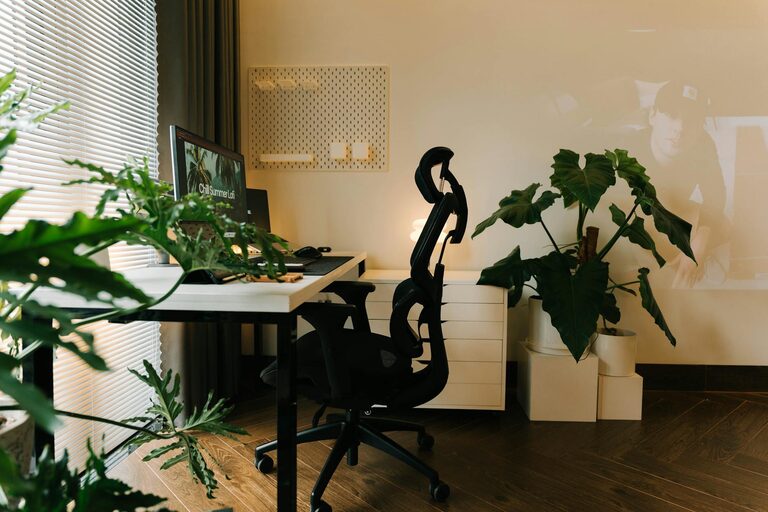
Comfort plays a significant role in maintaining productivity. A supportive chair that encourages good posture is worth the investment. Look for adjustable features like height, armrests, and lumbar support. If sitting for long hours, consider adding a cushion or footrest for extra comfort.
Your desk should provide enough surface area to accommodate your computer, paperwork, and essential tools without feeling cluttered. Adjustable desks or standing desk options can offer flexibility and help reduce fatigue.
3. Optimize Lighting
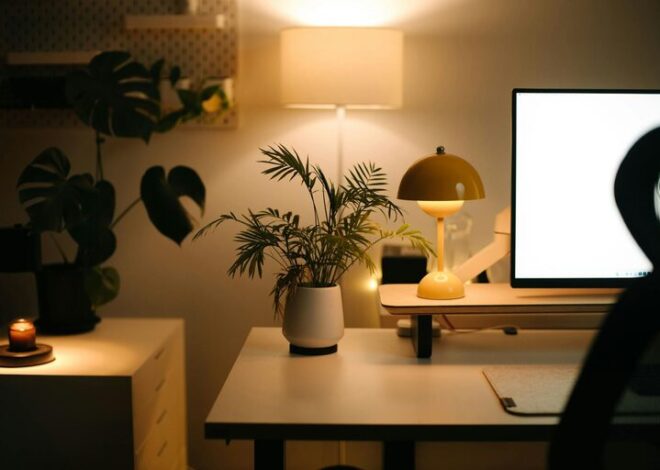
Good lighting reduces eye strain and keeps you energized throughout the day. Besides natural light, include layered lighting options such as desk lamps and overhead lights. Task lighting is especially useful for focused activities like reading or writing.
Choose bulbs that emit soft white light (around 2700K to 3000K) to create a warm and inviting atmosphere. Avoid harsh fluorescent lights that can feel cold and sterile.
4. Organize Your Supplies and Equipment
Keeping your workspace organized plays a crucial role in creating a calming environment. Use storage solutions like shelves, filing cabinets, and drawer organizers to keep papers and supplies neatly arranged.
Cable management systems help prevent tangled cords and keep your desk surface clean. Declutter regularly to maintain a tidy area and make it easier to find what you need.
5. Add Personal Touches
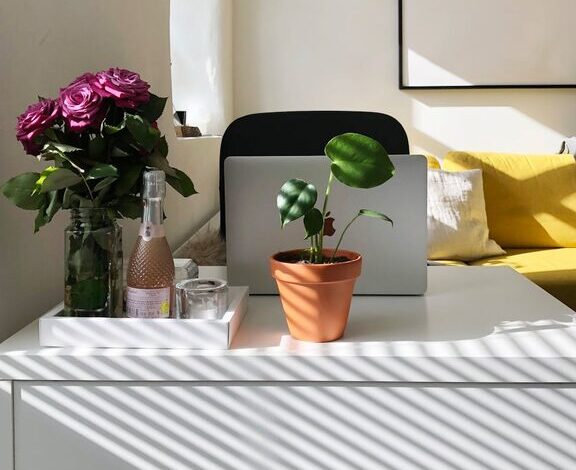
Incorporate elements that make your space feel welcoming and uniquely yours. This could be artwork, plants, or meaningful decor items. Adding greenery not only improves air quality but also contributes to a relaxing ambiance. Choose low-maintenance plants like succulents or snake plants if you don’t have a green thumb.
Photos, motivational quotes, or handmade crafts can inspire and uplift you during your workday.
6. Create a Calm Color Palette
Colors affect mood and concentration. Soft, neutral colors like beige, soft gray, or pale blue create a soothing background that encourages calmness and focus. You can add pops of color through accessories like cushions, curtains, or wall art for visual interest without overwhelming the space.
Avoid overly bright or neon colors that may feel distracting.
7. Control Noise and Distractions
Minimizing noise is important for concentration. Use rugs, curtains, and cushions to dampen sound in the room. If outside noise is unavoidable, consider using noise-cancelling headphones or playing calm background music or white noise.
Having a “do not disturb” sign or setting boundaries with others in your household during work hours can help reduce interruptions.
8. Incorporate Ergonomic Accessories
Ergonomic tools such as wrist rests, monitor stands, or keyboard trays enhance comfort and reduce strain. Position your computer screen at eye level and maintain a distance of about an arm’s length away to avoid neck or eye strain.
Using these accessories can help promote better posture and prevent discomfort during long working hours.
9. Ensure Good Air Quality and Temperature Control
A fresh and comfortable environment improves productivity and well-being. Open windows when possible to allow fresh air circulation. Use fans or heaters to maintain a comfortable temperature depending on the season.
If natural ventilation is limited, consider air purifiers to improve indoor air quality.
10. Keep Technology Up to Date
Reliable and efficient technology is a must for any home office. Ensure your computer, printer, and internet connection meet your work needs. Regularly update software and back up important files to avoid disruptions.
Having essential tech accessories like a good mouse, ergonomic keyboard, and charging stations also contribute to a smoother workflow.
—
Final Thoughts
Creating a cozy and inviting home office is about balancing comfort and functionality. By paying attention to lighting, furniture, organization, and personal touches, you can design a space that not only looks great but also supports your work habits. Remember, your ideal workspace may evolve over time, so don’t hesitate to make adjustments as your needs change. With a well-planned home office, every workday can feel a little more enjoyable and productive.