Tips for Creating a Relaxing Home Workspace to Boost Productivity
Creating a relaxing home workspace is key to maintaining productivity and well-being, especially when working remotely or spending long hours at your desk. A calm, organized environment helps you focus, reduces stress, and makes work feel less like a chore. In this post, we’ll explore effective strategies to transform your home office into a peaceful, inspiring place where you can get things done with ease.
Why a Relaxing Workspace Matters
Your immediate surroundings have a strong impact on your mindset and output. A cluttered or uncomfortable workspace can lead to distractions, feelings of overwhelm, and fatigue. Meanwhile, a well-planned, relaxing environment encourages creativity, concentration, and motivation. When you feel good in your workspace, your productivity naturally improves.
Choosing the Right Location
Find a Quiet Spot
Select a part of your home where noise and interruptions are minimal. If possible, dedicate a separate room or corner specifically for work. This separation helps your brain associate that space with focus and productivity.
Consider Natural Light
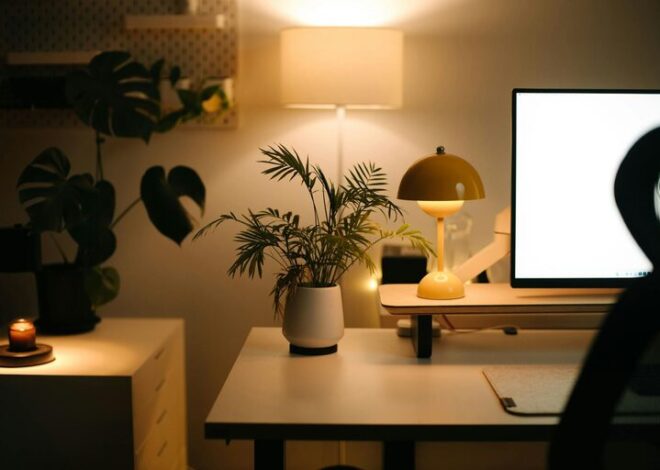
Natural light boosts mood and energy levels. Position your desk near a window to take advantage of daylight. If natural light is limited, choose soft, warm artificial lighting that mimics daylight to minimize eye strain.
Designing a Comfortable Setup
Invest in Ergonomic Furniture
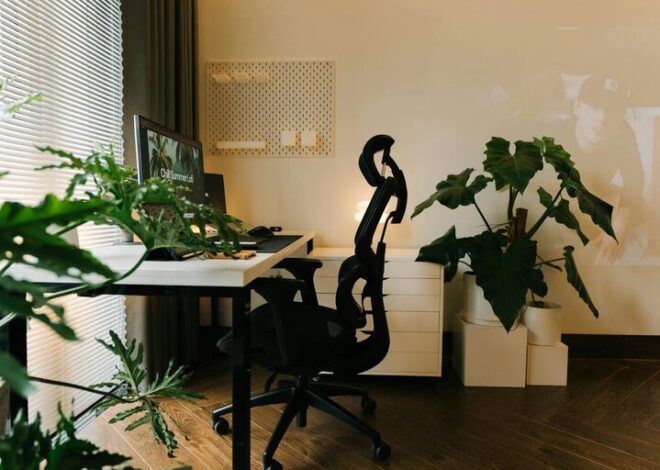
Comfort is fundamental to working well. An ergonomic chair that supports your back and a desk at the right height prevent pain and discomfort. Adjust your monitor so the top of the screen is at eye level to avoid neck strain.
Keep Essentials Within Reach
Organize frequently used items nearby to reduce unnecessary movement and maintain workflow. Items like pens, notebooks, and chargers should be easily accessible without cluttering your surface.
Decluttering for Calm
Simplify Your Desk
A clean desk clears your mind. Only keep items you truly need on your workspace. Regularly remove unrelated objects and files to avoid distractions.
Use Storage Solutions
Incorporate shelves, drawers, or baskets to hide away supplies and paperwork. This not only keeps your desk tidy but also creates a visually calming atmosphere.
Adding Personal Touches
Incorporate Plants
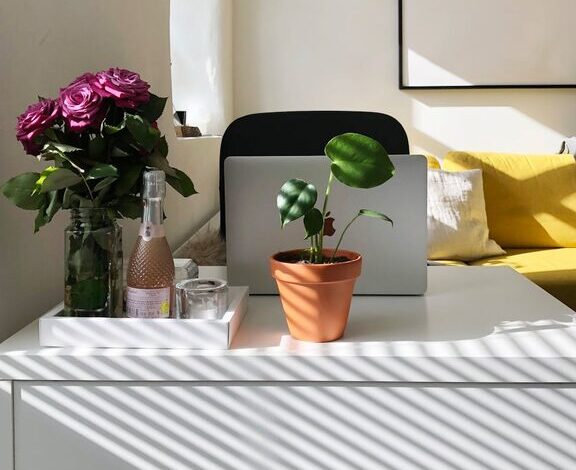
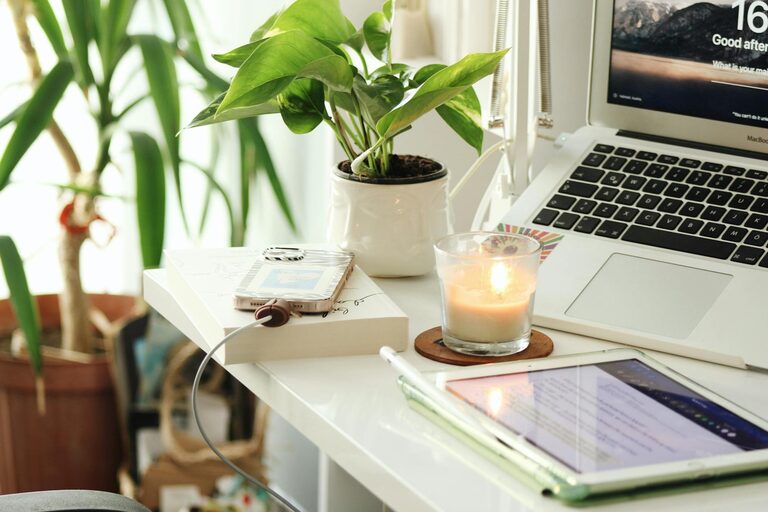
Houseplants improve air quality and add a touch of nature that soothes and refreshes. Low-maintenance plants like succulents or snake plants are excellent for busy workdays.
Choose Calming Colors
Neutral tones and soft colors like blues, greens, and pastels promote relaxation. Consider these hues for walls or decor to create a peaceful environment.
Use Inspiring Decor
Add photos, artwork, or motivational quotes that uplift your mood without overwhelming the space.
Minimizing Distractions
Manage Technology Wisely
Turn off non-essential notifications on your phone and computer to stay focused. Consider apps or tools designed to limit distractions during work sessions.
Set Boundaries
Communicate your work hours with family or housemates to reduce interruptions. Use noise-canceling headphones or ambient sounds if needed.
Enhancing Air Quality and Comfort
Ensure Proper Ventilation
Fresh air helps maintain alertness. Open windows when possible or use air purifiers to create a healthier workspace.
Control Temperature
Keep your workspace at a comfortable temperature. Dress in layers if your space tends to fluctuate in warmth.
Taking Breaks and Moving
Incorporate Break Reminders
Set timers to take short breaks every hour. Stand up, stretch, or take a brief walk to refresh your body and mind.
Create a Relaxation Spot
If space allows, have an area where you can sit comfortably and relax briefly between work tasks. This can be a cozy chair or a small corner with cushions.
Organizing Your Workflow
Use a Planner or Digital Tools
Keeping track of tasks and deadlines reduces stress and helps you maintain focus.
Prioritize Tasks
Tackle important or challenging work when your energy is highest, leaving easier tasks for later.
Final Thoughts
Designing a relaxing home workspace takes intention but offers significant benefits for productivity and well-being. By choosing the right location, maintaining comfort, decluttering, personalizing your space, and minimizing distractions, you create an environment that supports your best work. Remember, even small adjustments can make a big difference in how you feel and how much you accomplish each day.
Take the time to tailor your workspace to your needs and enjoy the calm, focused energy it brings to your daily routine.